
Paper Label

-

- Paper Label
-
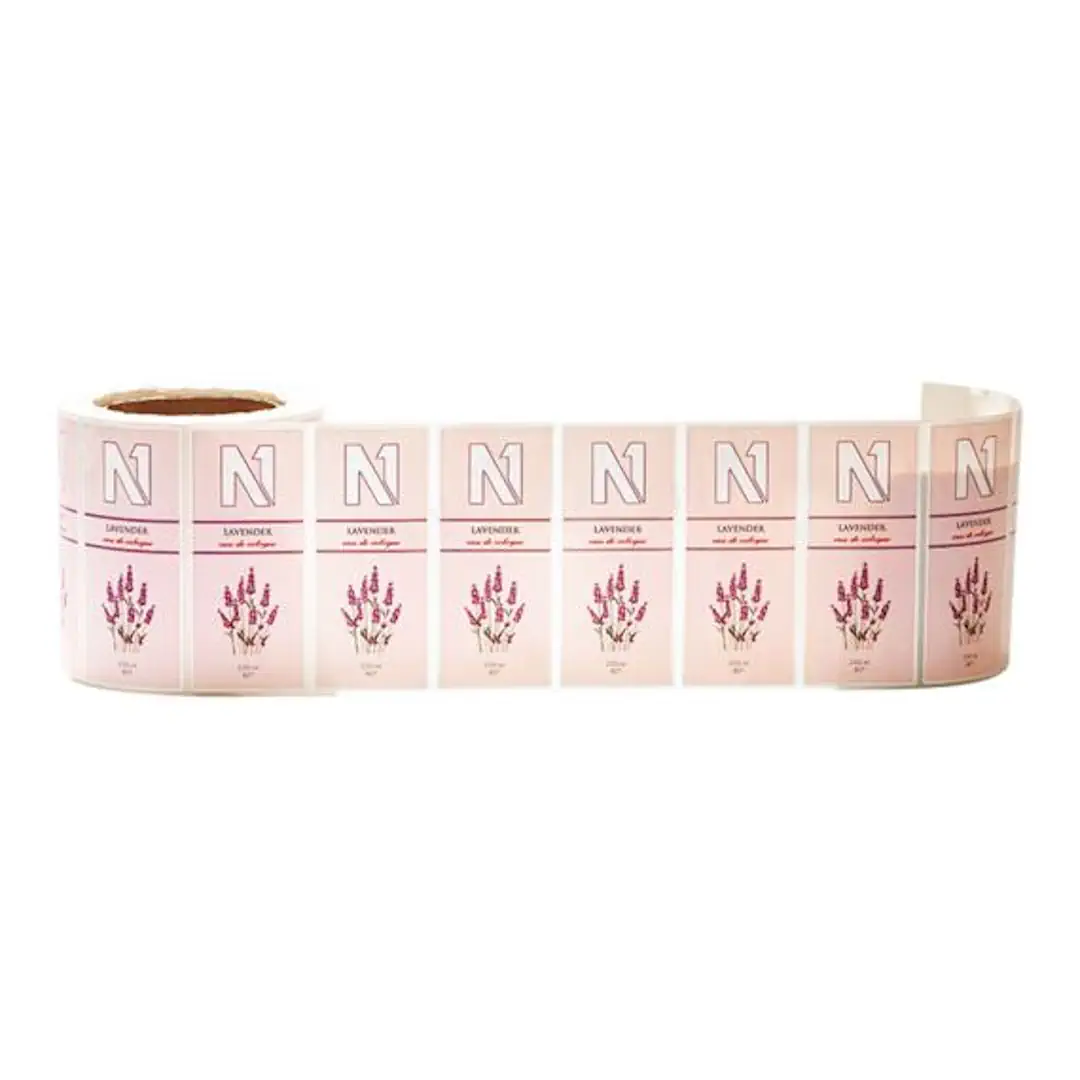
- Paper Label
-

- Paper Label
Paper Labels — Simple, Versatile & Eco‑Friendly Labeling Solution
What Are Paper Labels?
Paper labels are adhesive or non‑adhesive labels made from paper (or paper‑based stock) — designed to be attached to product packaging, bottles, boxes or other surfaces. They serve as product identifiers, brand labels, ingredient or usage information panels, decorative tags, or informational stickers. Because they’re paper‑based, they offer a classic, natural look, and support a wide range of printing and finishing techniques.
Why Choose Paper Labels — Key Benefits
🎨 Excellent Printability & Design Flexibility
Paper labels accept ink beautifully, enabling sharp text and vibrant colors. They support various finishes — matte, gloss, textured paper types — and can accommodate decorative treatments like embossing, foil stamping, varnishing or custom graphics, which helps enhance brand presentation and packaging aesthetics.
💰 Cost‑Effective & Efficient for Short Runs
Compared to synthetic or film-based labels, paper labels are generally more affordable — making them ideal for small to medium‑scale productions, limited edition products or brands with tight budgets. Their economical nature makes them a practical choice for many use‑cases.
🌿 Eco‑Friendly, Recyclable & Biodegradable
Because they are made from paper — a renewable, recyclable and biodegradable material — paper labels align well with environmentally conscious branding. They’re a greener alternative to plastic labels, helping reduce environmental impact when disposed or recycled appropriately.
🏷️ Versatile Use Across Product Types
Paper labels are suitable for a wide variety of products and industries: food & beverage, cosmetics, gift packaging, stationery, retail boxes, bottles, jars, paper bags, mailing, and more. Their flexibility in size, shape, design and application makes them a go‑to solution for many packaging and labeling needs.
🖨️ Compatible with Many Printing and Finishing Techniques
Paper labels can be produced using standard printing methods (digital, offset, flexographic) and finished with decorative effects. This means brands can customize labels fully — from simple barcode stickers to high-end branding labels with textured paper or special coatings.
Common Use Cases & Suitable Products for Paper Labels
Paper labels are often used for:
Cosmetic containers and beauty products (jars, bottles, boxes)
Food packaging, retail foods, jars, cans, dry goods
Gift packaging, luxury boxes, boutique items
Stationery, notebooks, paper bags, printed paper packaging
Bottles (wine, beverages), jars, cosmetics, home‑made goods
Retail products requiring branding, ingredients, instructions, barcodes, legal info
Best Practices When Using Paper Labels
Choose suitable paper type and finish — for premium look, use coated or textured paper; for eco‑feel, use recycled or natural‑look paper.
Match label design to product usage — for dry goods or packaging shipped/stored in dry conditions, paper labels work great; for moist, oily, or wet‑exposed items, consider protection or different material.
Apply protective coatings or varnish if needed — for labels on items exposed to moisture or handling, a coating can increase durability.
Ensure correct size, shape and adhesion — label must fit product surface properly and adhere securely.
Consider environmental claim and sustainability — use recyclable/biodegradable paper and inks to support eco‑friendly packaging.
Use high‑quality printing for branding & readability — clean printing and sharp graphics help reflect brand identity and improve customer perception.
Conclusion
Paper labels offer a cost‑effective, flexible, eco‑friendly, and aesthetically versatile solution for labeling products across many industries. They balance practicality and brand presentation — ideal for cosmetics, food, gifts, retail packaging, and more. If you value sustainability, design flexibility, and affordability, paper labels are an excellent choice for your packaging and branding needs.
