Labels — Essential & Customizable Packaging Labels
What Are Labels?
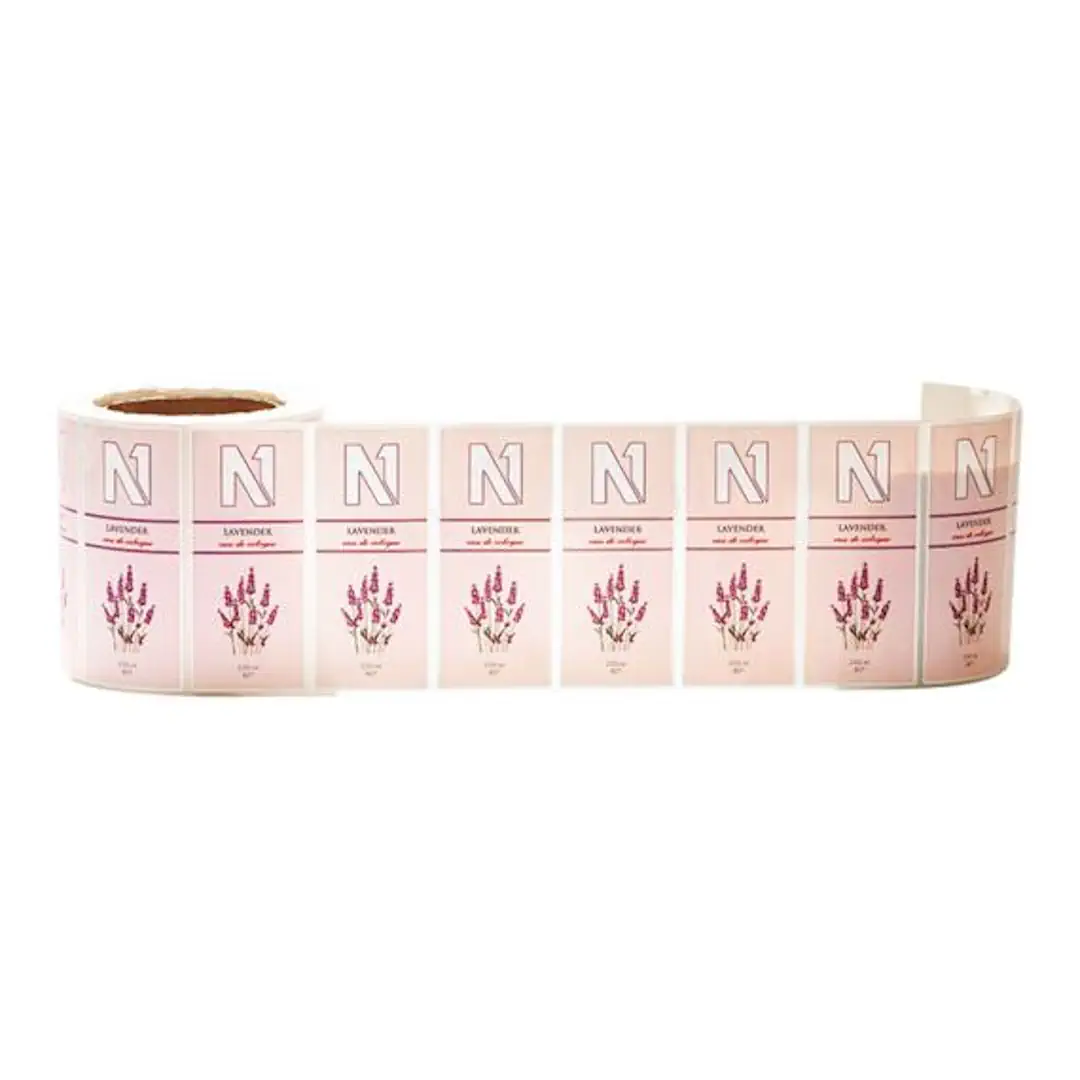
Labels are pieces of material (paper, film, plastic, fabric, etc.) affixed to products or their packaging, used to carry important information or branding. They serve as a vital interface between your product and the consumer — showing product name, brand logo, contents, usage instructions, safety warnings, barcodes, and more. Labels ensure that products are properly identified, compliant with regulations, and easily recognizable.
Labels are widely used in sectors such as food & beverages, cosmetics, retail, e‑commerce, pharmaceuticals, electronics, and logistics. They adapt to many types of packaging — bottles, boxes, jars, bags, containers — making them a flexible solution for virtually any product.
Why Choose Custom Labels? — Key Benefits
1. Clear Product Identification & Information
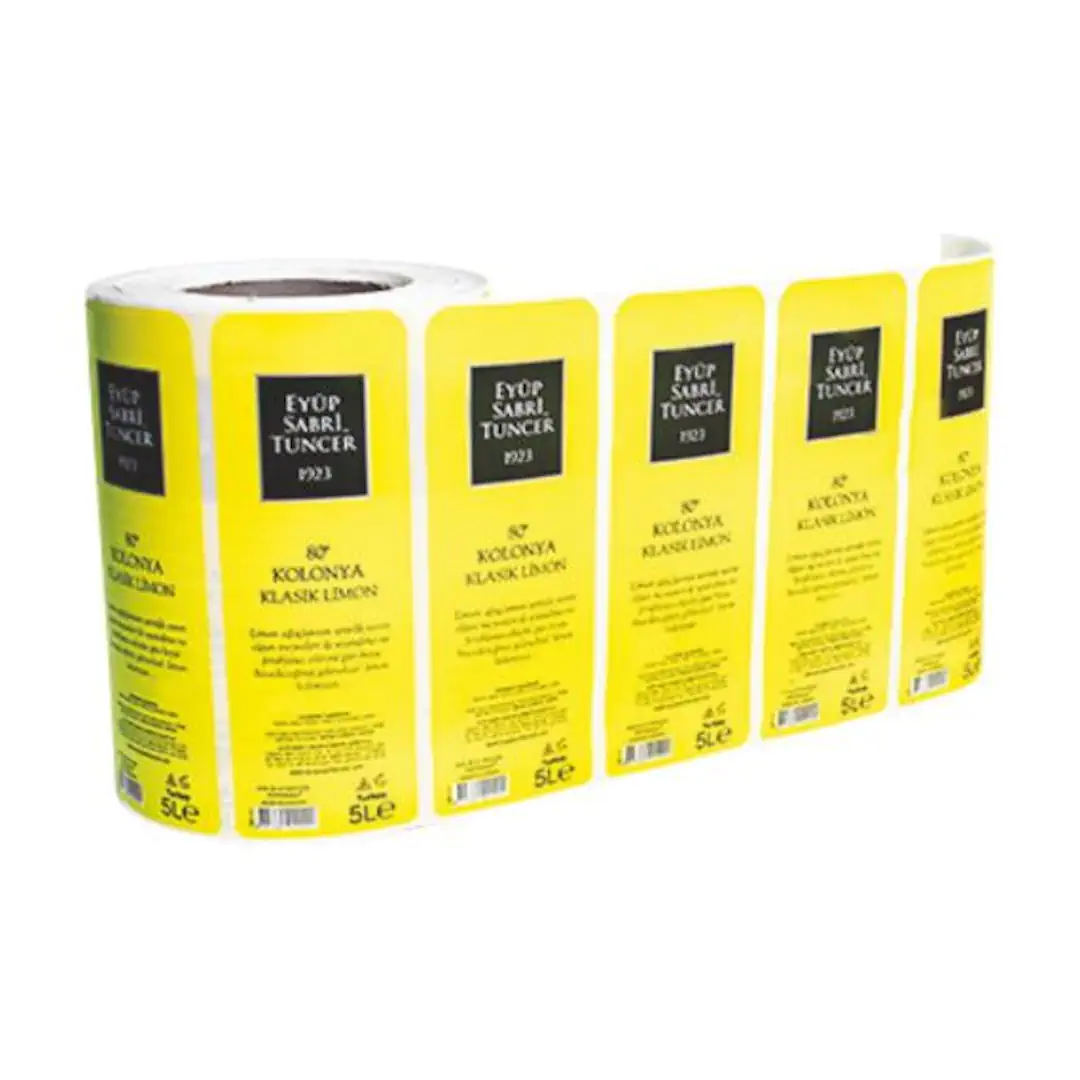
Labels convey essential information about your product: what it is, what’s inside, how to use it or store it, expiry date or weight/volume — all at a glance. This clarity helps consumers make informed decisions and reduces confusion or misuse.
2. Branding & Shelf Appeal
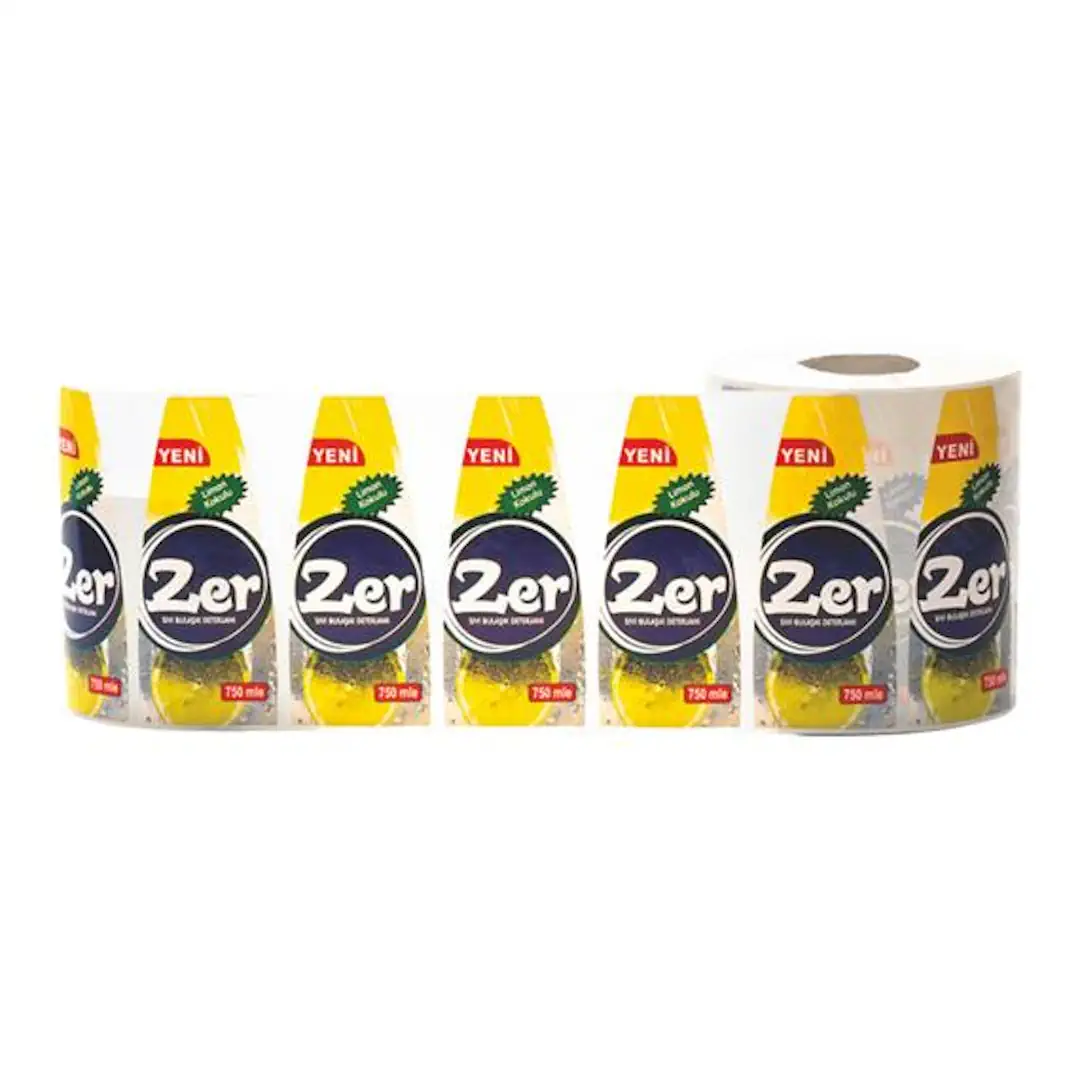
A well‑designed label serves as a brand’s visual identity: it carries the logo, colors, typography and graphic style that distinguish your brand from competitors. Attractive, high‑quality labels increase shelf appeal, grab consumer attention, and support brand recognition.
3. Regulatory Compliance & Safety
Especially in industries such as food, cosmetics, pharmaceuticals or chemicals, labels are often legally required to provide information about ingredients, usage, warnings, expiry or batch codes. Proper labeling ensures compliance and builds consumer trust.
4. Versatility & Customization
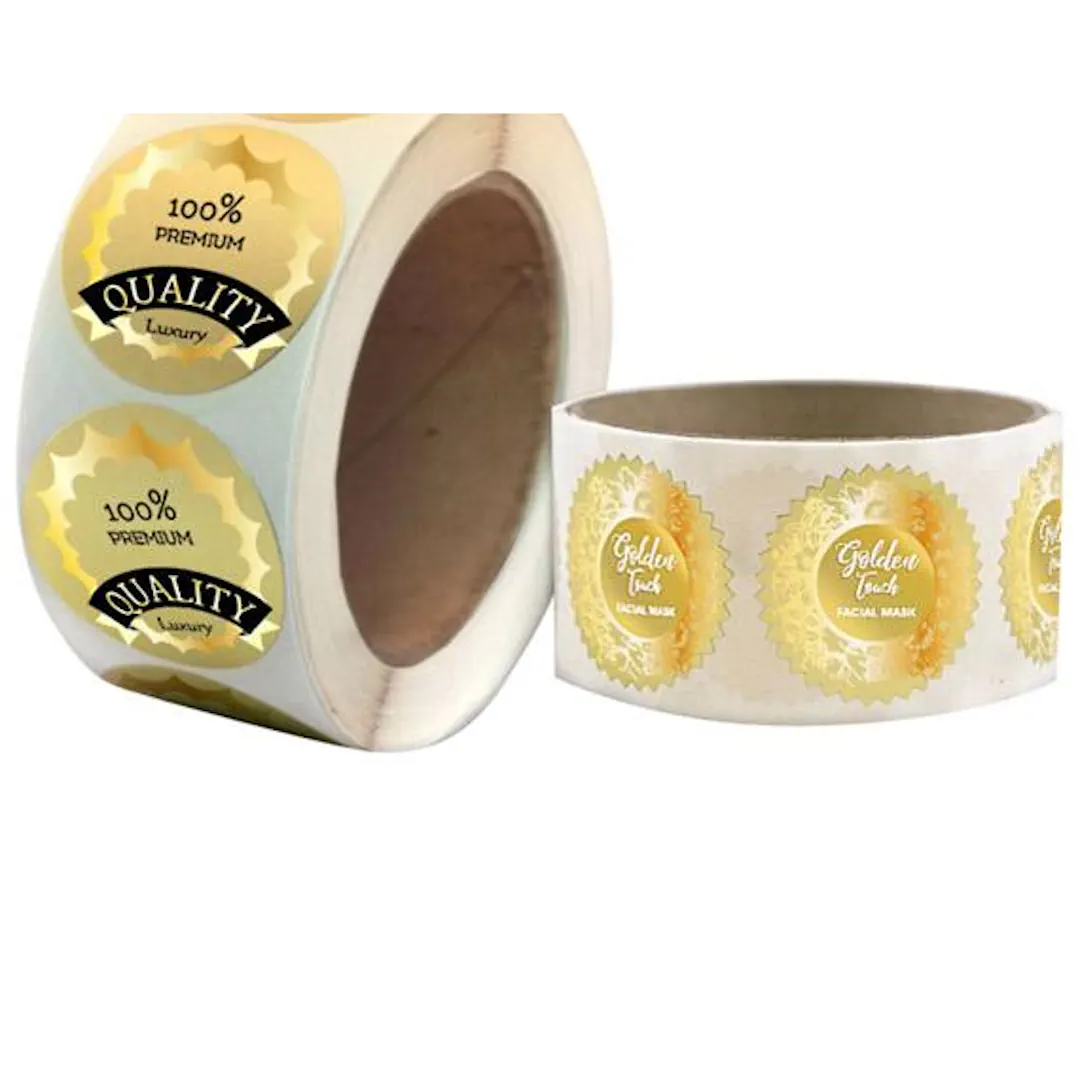
Custom labels can be produced with various materials and finishes — paper, film, waterproof or weather‑resistant materials, die‑cut shapes, matt or glossy coatings, special textures, etc. This flexibility allows matching the label to both the product and brand image, whether rugged for outdoor use or elegant for luxury packaging.
5. Logistics, Tracking & Inventory Management
Labels often include barcodes, QR codes or other identifiers, enabling efficient inventory management, shipment tracking, and supply‑chain operations. This reduces errors in order processing and improves operational efficiency.
6. Cost‑Effective & Scalable Packaging Solution
Compared to custom rigid packaging or special containers, labels are generally low-cost and scalable — ideal for both high-volume production and small-batch runs. They add value without significantly increasing packaging costs.
Common Label Types & Typical Uses
Standard Adhesive Labels: Suitable for bottles, jars, boxes, bags — for food, cosmetics, retail products.
Waterproof or Durable Labels: Ideal for products exposed to moisture, temperature changes, outdoor conditions — e.g. cleaning supplies, chemicals, outdoor gear.
Die‑Cut & Custom‑Shape Labels: For branding, promotional packaging, unique product shapes — helps differentiate product on shelf.
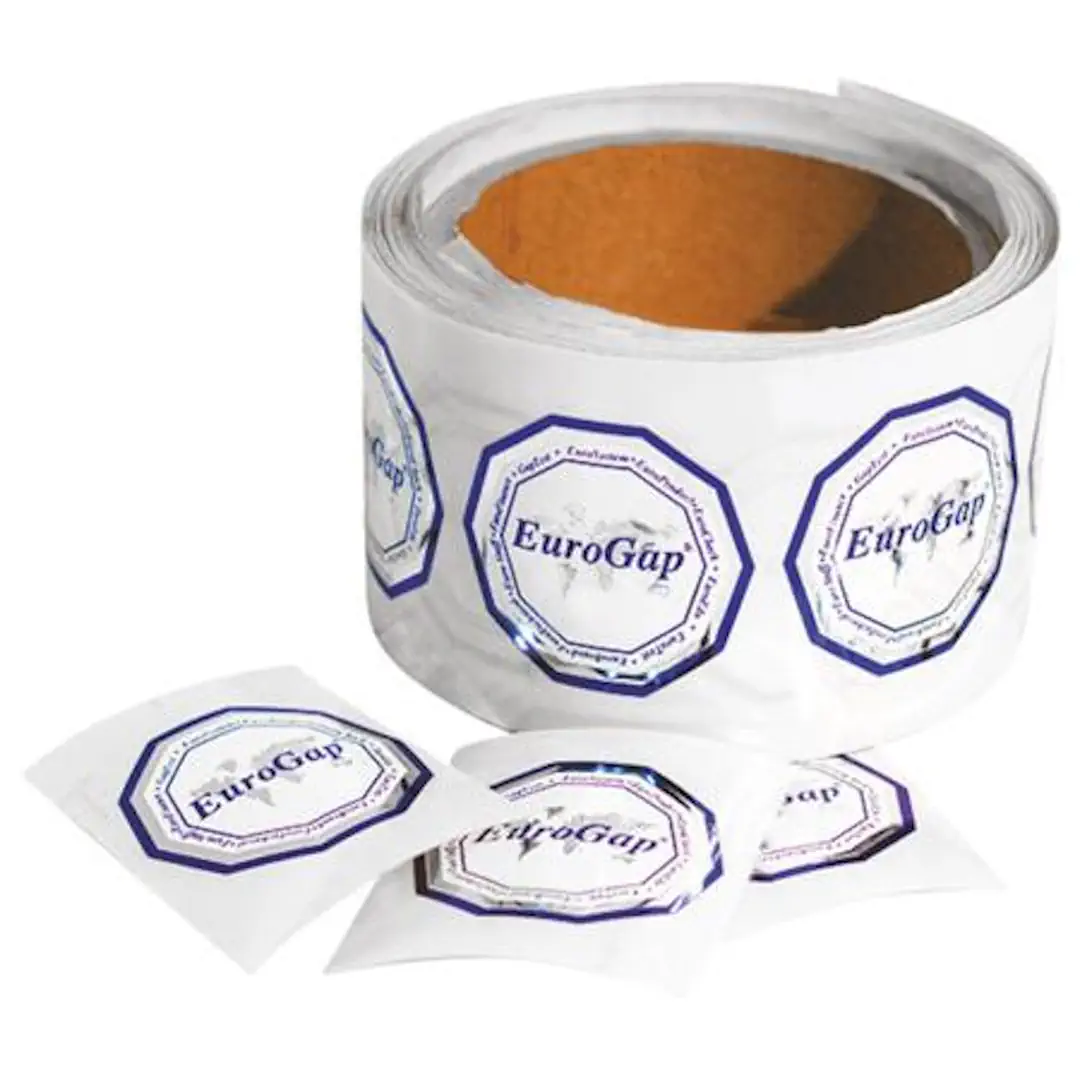
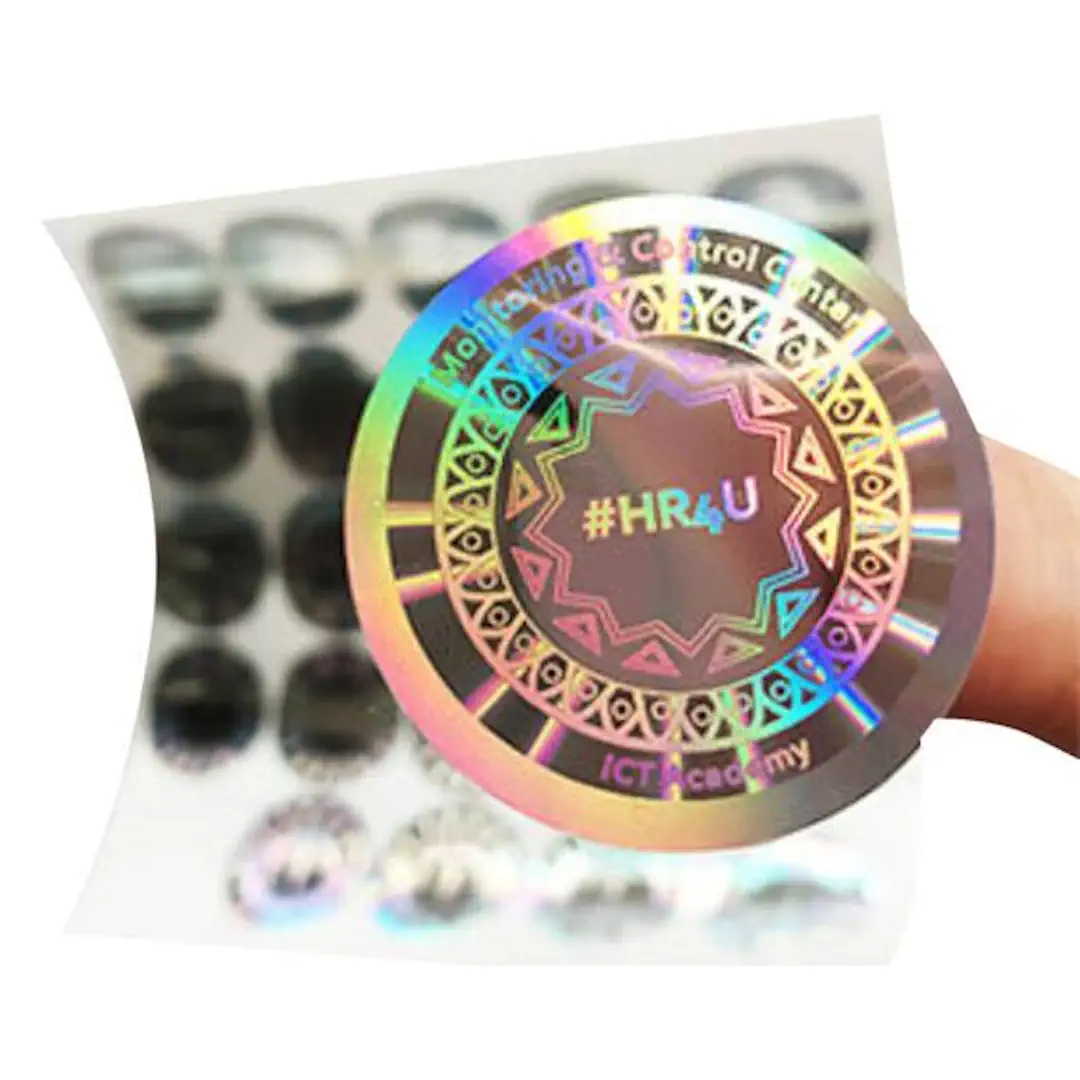
Tamper‑Evident / Security Labels: Used where integrity and authenticity are important (e.g. pharmaceuticals, cosmetics, electronics).
Labels with Barcodes / QR Codes: For inventory, logistics, traceability — useful in e‑commerce, retail, supply‑chain management.
Eco‑Friendly / Sustainable Labels: Made from recycled or biodegradable materials — increasingly important for brands emphasizing sustainability.
Best Practices for Using Labels Effectively
Choose label material and finish based on product type (e.g. waterproof for liquids, durable for outdoor, elegant finishes for luxury goods).
Ensure label design reflects your brand identity — consistent use of colors, logo, typography, and high‑quality graphics.
Include all required information (product name, ingredients/contents, usage instructions, weight/volume, regulatory or safety data) clearly and legibly.
For products that require tracking or logistics, include barcodes or QR codes.
Use custom shapes, finishes or textures if you aim to stand out on shelf or communicate a premium feel.
For eco‑conscious brands, consider recyclable or biodegradable label materials and environmentally friendly inks/coatings.